


Commitment
to Brazil
Commitment
to Brazil
Commitment
to Brazil
The work of Conservation International (CI-Brazil) reflects our commitment to Brazil, its culture, its nature, and, above all, its people.
Over 35 years of working in the country, we have helped protect landscapes, strengthen communities, generate knowledge, and develop solutions to some of the greatest challenges of our time.
But for us, conservation has never been about following a set formula. It is an exercise in imagination: the ability to see value where many see only resources, envision possible futures, and find solutions that can make them a reality. It also means turning knowledge into tangible pathways for change and building futures in which people and nature thrive together.
Throughout the 2021–2025 cycle, we brought together scientific expertise and traditional knowledge while expanding our work on the ground, strengthening our presence, influence, and ability to bring partners together to advance the goals of the Paris Agreement and the Global Biodiversity Framework by 2030.

during this period, demonstrating that Nature-based Solutions deliver direct benefits to those who depend on conserved ecosystems for their livelihoods, cultural identity, and quality of life
The Amazon accounted for 49% of the area reached, followed by coastal and marine ecosystems, with 48%.
Together, the Cerrado and Atlantic Forest represented 2.5% of the total area.
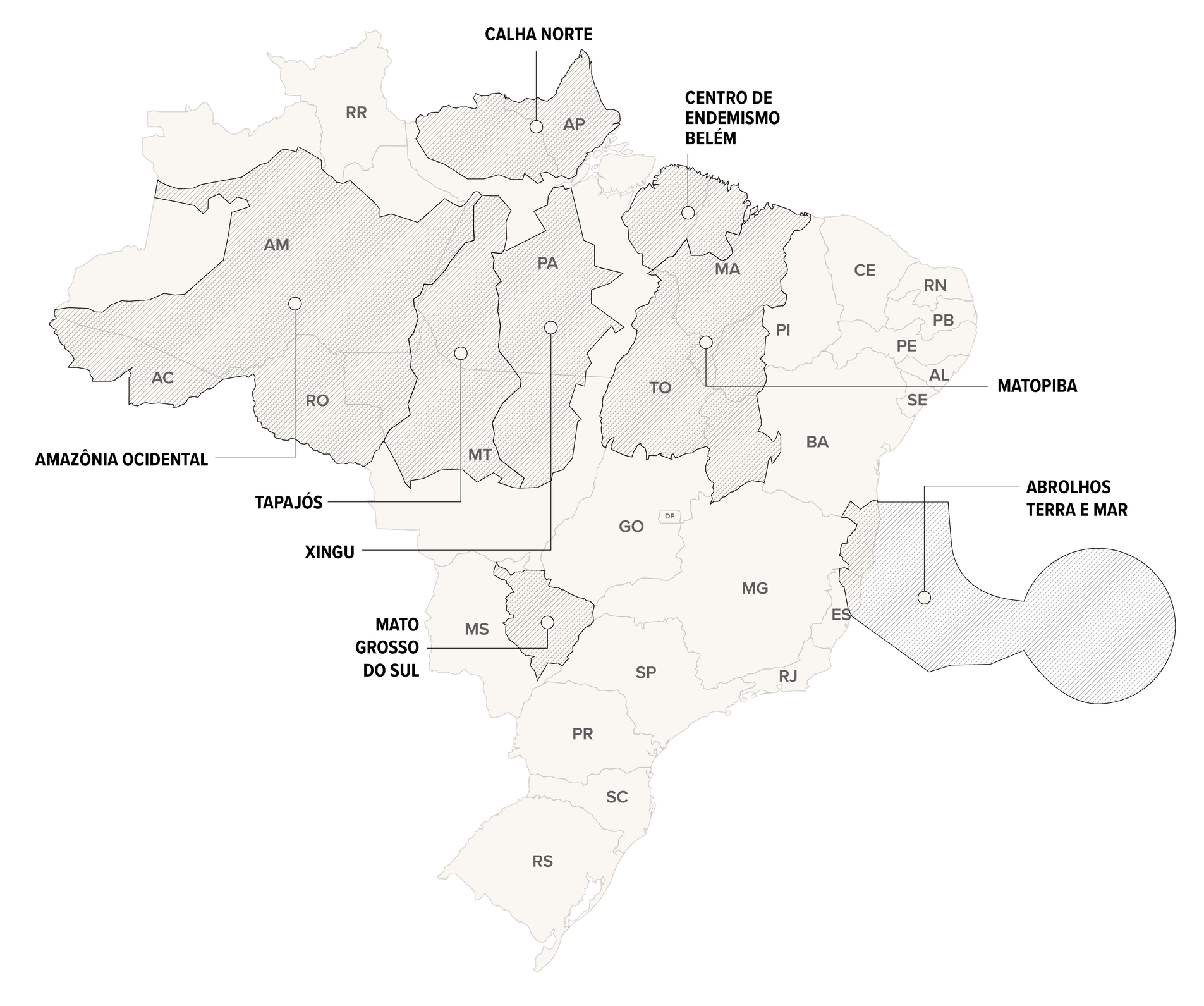
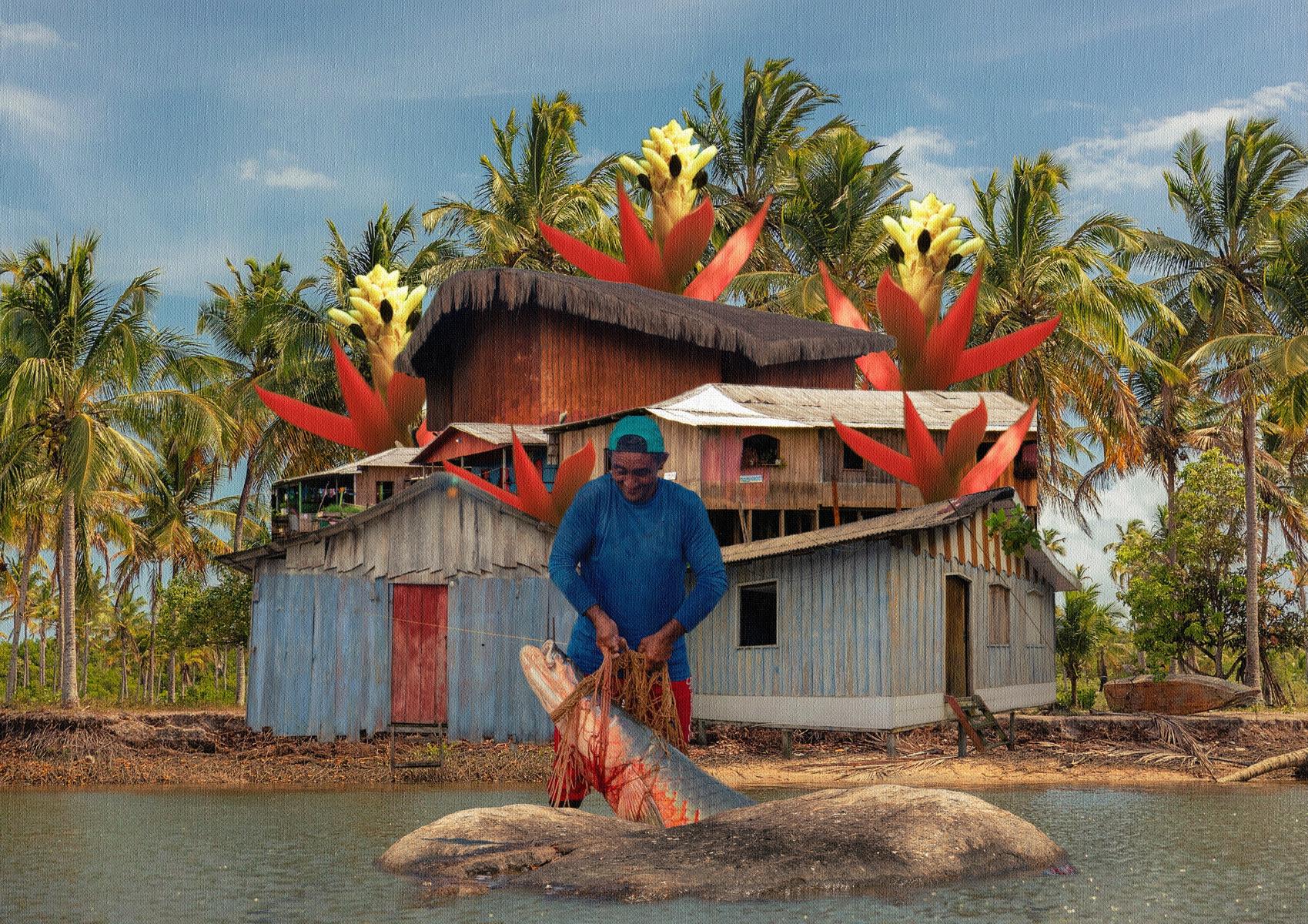
The figures reflect an integrated approach to conserving Brazil’s nature across different contexts and ecosystems, structured around five complementary agendas. Together, they connect ecosystem protection, sustainable management, and landscape restoration.
The organization also receives cross-cutting support from the Conservation Science Innovation Laboratory (LabICCon), the Operations and Performance Department, the People and Culture Department, and the Development and Communications Department.
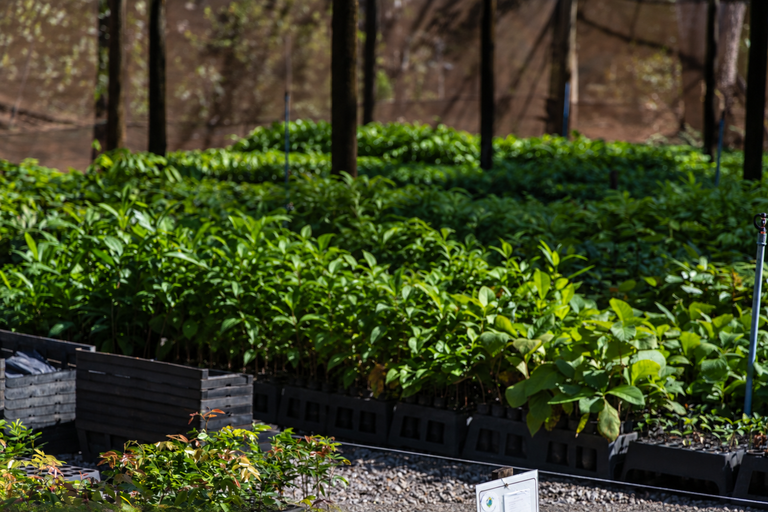
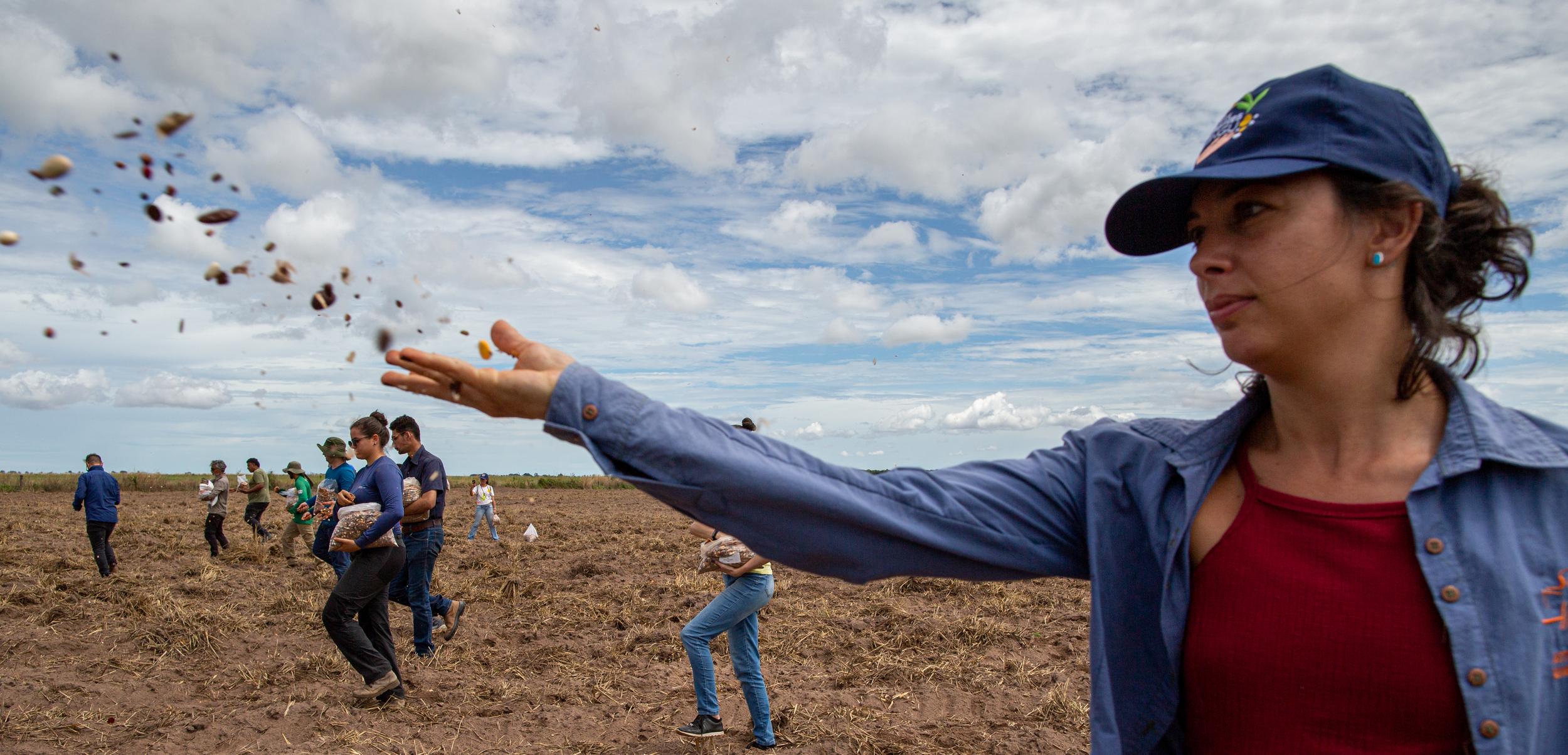
Throughout the cycle, CI-Brazil worked to establish restoration as an agenda that connects territories, public policy, and capital. Progress included structuring Brazil’s first forest concession dedicated to restoration, strengthening the restoration value chain, and launching Restaura Biomas, an initiative focused on restoring native vegetation nationwide. This agenda also incorporated new technological tools, such as CIERA — Conservation International’s Ecosystem Restoration Assistant — which uses artificial intelligence and geospatial data to help identify priority areas for restoration.
thousand hectares under restoration
million tonnes of CO₂ removed from the atmosphere
thousand people benefited
million native seedlings planted
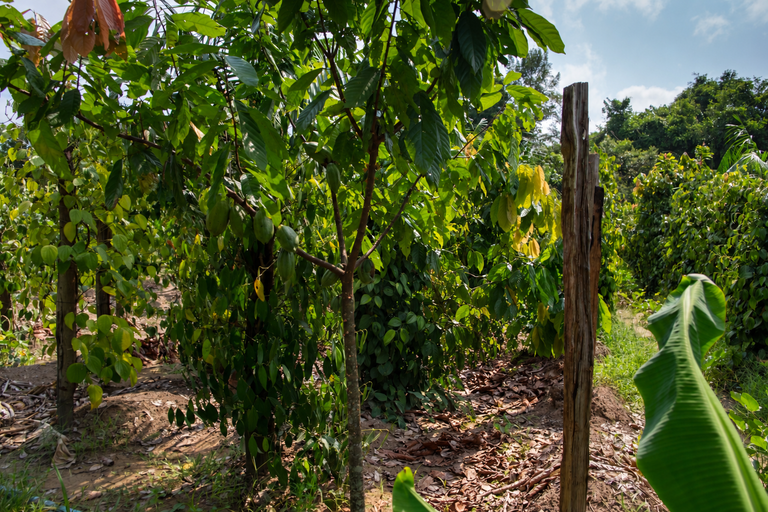
CI-Brazil’s work combined technical support for governments, territorial intelligence, institutional strengthening, and the mobilization of public and private funding for conservation. A key example was the Amazon Sustainable Landscapes Project (ASL Brazil), which brought together public policy, environmental governance, and implementation on the ground. This coordinated approach helped strengthen mechanisms to scale up conservation, sustainable management, and restoration, while connecting Nature-based Solutions to climate mitigation and adaptation agendas.
million hectares in protected areas
gigatonnes of carbon stored
million tonnes of CO₂ emissions avoided
million dollars mobilized for climate finance
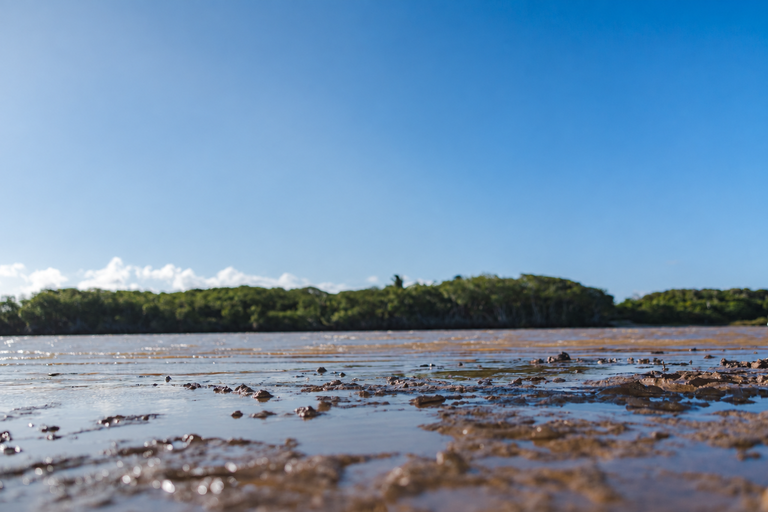
Progress during the cycle included support for ProManguezal, the establishment of the first National Surf Reserves, the strengthening of the Futuri Alliance for Regenerative Tourism, and the development of initiatives focused on blue carbon and green-gray infrastructure. These efforts also place coastal communities at the center of natural resource management and sustainable use, connecting conservation, income generation, and territorial development.
million hectares of marine and coastal ecosystems protected
thousand hectares of terrestrial ecosystems protected
million tonnes of carbon stored
thousand people benefited
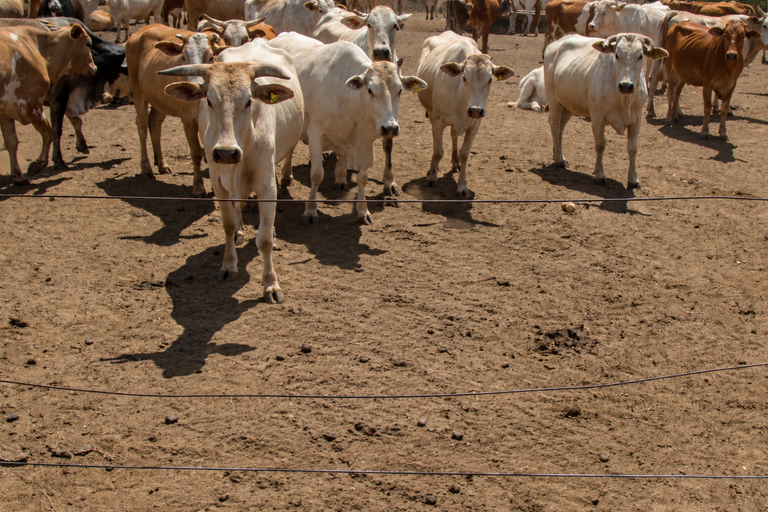
Agricultural production, conservation, and restoration take place within the same landscapes. Bringing these agendas together was one of CI-Brazil’s areas of focus, convening farmers, governments, research institutions, companies, and financiers around low-carbon practices, environmental compliance, and the recovery of native vegetation. The cycle also marked progress in connecting conservation with financial mechanisms. In its partnership with BTG Pactual Timberland Investment Group (TIG), for example, CI-Brazil serves as impact adviser to The Reforestation Fund, contributing to social and environmental integrity criteria, biodiversity monitoring, and the assessment of activities that already cover approximately 40,000 hectares under conservation and restoration in Brazil’s Cerrado.
thousand hectares under low-carbon agriculture
million tonnes of CO₂ emissions avoided
rural properties reached
Technology Reference Units supported

Throughout the cycle, CI-Brazil developed management, governance, and financing mechanisms that expanded Indigenous organizations’ direct participation in designing and implementing their own initiatives. Science, technology, and traditional knowledge were also brought together in efforts focused on territorial monitoring, organizational strengthening, biodiversity conservation, and climate change adaptation. A gender perspective was integrated across these efforts, recognizing the role of Indigenous women in community governance, sustaining cultural traditions, and developing solutions for their territories.
million hectares protected in Indigenous Territories
million tonnes of carbon stored
thousand people benefited
Indigenous Peoples engaged

The final year of the 2021–2025 cycle brought together key milestones in Conservation International’s journey in Brazil. Marking its 35th anniversary in the country, CI-Brazil participated in the first United Nations Climate Change Conference held in the Amazon and broadened the conversation on conservation through new partnerships and communications efforts.
Held in Belém, COP30 placed the Amazon at the center of global climate negotiations and, for CI-Brazil, brought together the elements of a strategy developed over five years to advance Nature-based Solutions.
During the conference, the organization created spaces for dialogue with partners and participated in discussions on different dimensions of nature conservation, bringing together key stakeholders, including governments, civil society, academia, multilateral organizations, foundations, and businesses.
COP30 also provided a platform to develop and showcase initiatives across CI-Brazil’s programmatic agendas. These included new collaborations to finance tropical forest conservation, a partnership to scale up restoration in the Xingu region, cooperation agreements with the state of Pará and the municipality of Bragança, and the launch of Brazil’s First National Safeguard Recommendations for Blue Carbon Projects.
events
partners connected
mentions in national and international media
million people reached through CI-Brazil’s social media channels
In 2025, as CI-Brazil marked 35 years of work in the country, conservation also found new forms of expression.
The “Conservation Is Our Art” campaign was created to bring Nature-based Solutions to new audiences and broaden the conversation about the relationship between people and nature through culture.
With Gilberto Gil as its lead spokesperson, the initiative centered on the video manifesto “This Is Not the End”, screened during his farewell tour across Brazil. The campaign brought together 28 artists and influencers around the connection between creativity and nature, generating more than two million views.
Later, in the lead-up to COP30, Amazonian artist Zaynara took center stage in the campaign, connecting the climate agenda with younger audiences and diverse forms of cultural expression.
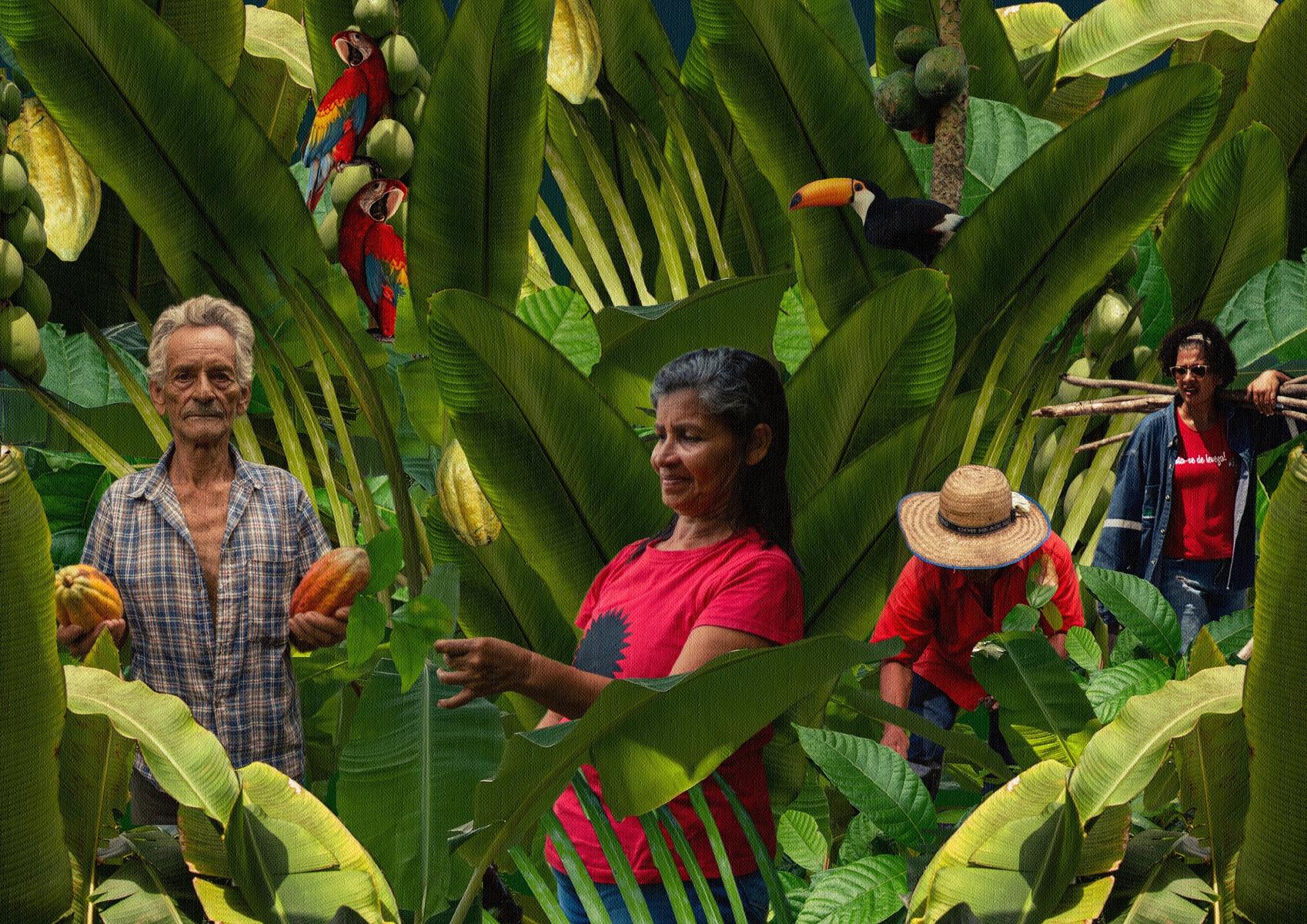
These results stem from a broad network of partnerships. Over five years, CI-Brazil worked with hundreds of organizations and individuals, bringing together governments, businesses, financial institutions, civil society organizations, academia, Indigenous Peoples and traditional peoples, local communities, and a range of funders and local partners to advance nature conservation.
By combining diverse knowledge, capabilities, and resources, these partnerships helped coordinate efforts and expand the reach of Nature-based Solutions.

“CI-Brazil’s initiatives with BNDES, through Restaura Amazônia and Floresta para o Bem-estar, deserve special recognition. They will support 25 ecological or productive restoration projects in the Arc of Restoration, restoring 5,400 hectares of forest alongside smallholder farmers, traditional communities, and Indigenous Peoples. CI-Brazil’s expertise in this field is a key asset in helping the country meet its environmental and climate goals.”
Marcus Cardoso Santiago, Head of the Environment Department at the Brazilian Development Bank (BNDES)

“We use integrated crop–livestock farming, which has reduced the pressure to clear new land and helped conserve more of the native biome, as we grow grain and pasture in the same area at the same time. The knowledge shared by CI-Brazil was essential to expanding our beef production across the full cycle, from breeding and rearing to finishing. And the best part is that each round of visits gives us new tools to further improve the quality of our production.”
Eduardo Archer, Manager of Archer Agropecuária Farm, located in the state of Tocantins
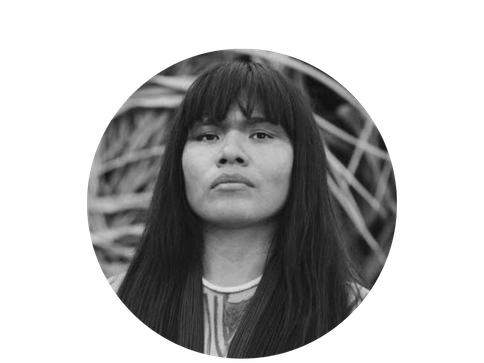
“It’s incredible how deeply language is intertwined with affection. There are very few speakers of the Yawalapiti language, and although I speak it with my children, they had never heard anyone else speak it.”
Watatakalu Yawalapiti, fellow, activist, and internationally recognized defender of the Amazon

“Sustentamar grew out of a dream shared by our group of women. We had always worked with limited infrastructure, in what was more of a family business. We fulfilled our dream of having a processing facility to improve the quality of our products and the quality of life of the women involved.”
Pedrina Rodrigues, shellfish harvester at the Sustentamar cooperative
The past five years have shown us that scaling up projects is not enough.
Lasting results depend on strong organizations, public policy, financial mechanisms, monitoring, science, and strategies tailored to the realities of each territory. They also require integrated responses. The climate and biodiversity crises are linked to how we produce, finance activities, use land, and make decisions.
That is why the 2026–2030 strategy deepens integration across programmatic areas and reinforces the territorial approach guiding CI-Brazil’s work.
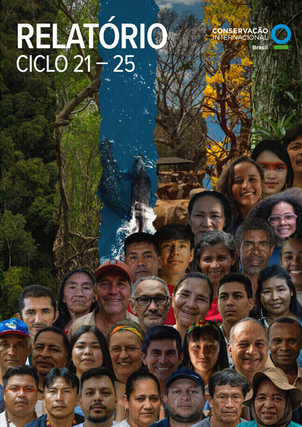
From forest restoration to ocean conservation. From empowering Indigenous Peoples to new ways of financing and producing in harmony with nature. From science and innovation to implementation on the ground.
Our results demonstrate how Nature-based Solutions can be scaled up to address the climate and biodiversity crises now.